Kraków made ADCC feel dangerous again in the best competitive sense: the bracket did not seem particularly interested in protecting anybody’s reputation. New champions emerged, familiar contenders disappeared early, and the −99 kg final ended with Luke Griffith submitting Kaynan Duarte. For a sport that sometimes spends more time arranging its hierarchy than challenging it, that was a productive weekend.
My verdict: the 2026 championship was more exciting than the 2024 edition. Kraków delivered uncertainty, meaningful upsets and enough high-level finishing to make the championship feel like an event unfolding in real time rather than a ceremony for conclusions already reached.
The weight-class champions were Kennedy Maciel at men’s −66 kg, Magomed Dzharbaev at −77 kg, Paweł Jaworski at −88 kg, Griffith at −99 kg and Victor Hugo at +99 kg. The women’s titles went to Jasmine Rocha at −55 kg, Ana Carolina Vieira at −65 kg and Helena Crevar at +65 kg. Felipe Pena won the absolute; Yuri Simoes won the superfight against Duarte after an injury ended it in overtime.
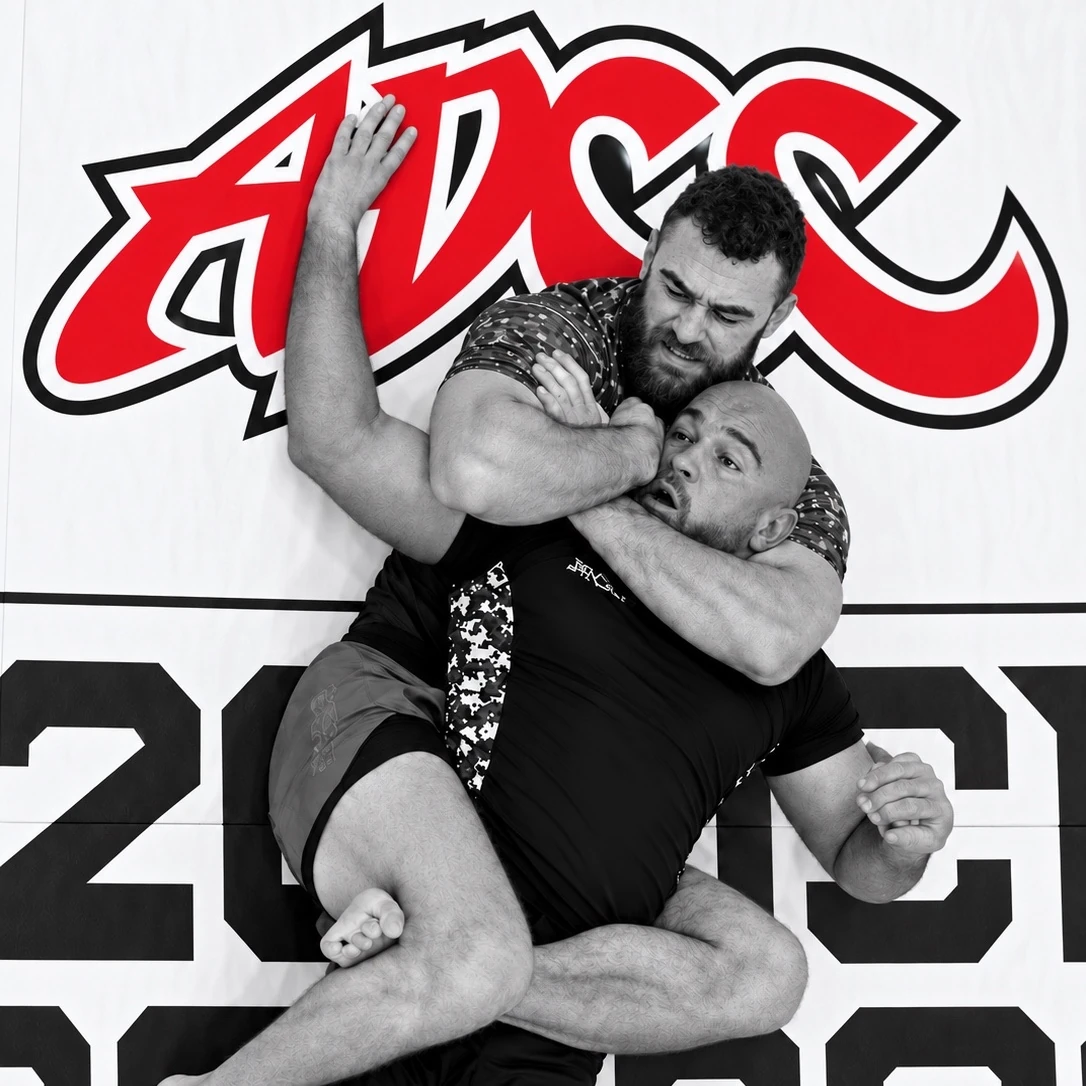
Griffith–Duarte supplied the most persuasive single advertisement for staying with a match. Duarte appeared in control for much of it, but Griffith found the back and finished with a rear-naked choke. A final can become memorable because the favorite dominates. This one became memorable because a position of apparent security proved temporary. The reversal of expectations was the attraction.
Hugo’s four-submission title run and Crevar’s three-submission championship provided a different pleasure: sustained finishing quality. Jasmine Rocha also submitted all three opponents. The women were central to the event’s best competitive argument. They produced decisive grappling that required no apology, special framing or promise that the interesting action would arrive later.
Not every match helped the sales pitch. Steffen Banta against Luke Griffith was among the least rewarding watches of the weekend. There is a difference between tension and waiting for something to happen; a match can contain excellent defensive awareness and still ask too much patience of an audience. The criticism belongs to that contest’s pace and engagement, not to either athlete’s entire game. Griffith’s final is the obvious warning against confusing one slow match with a permanent verdict on a competitor.
The larger rules question survives every ADCC: how strongly should officials force engagement when intelligent athletes conclude that restraint is their best route to winning? Too little intervention rewards avoidance. Too much can turn the referee into the author of the match. The answer will never satisfy everyone, but a world championship cannot treat every long impasse as proof of technical sophistication merely because the people involved are good.
Jacob Bornemann’s quarterfinal win over Dante Leon was one of the weekend’s most consequential breakthroughs. Bornemann beat a fellow Pedigo athlete and established contender by referee decision, then finished fourth at −77 kg. Leon entered with good reason to be considered a favorite. FloGrappling’s July 6 bulletin identified him as a No. 1 pound-for-pound no-gi athlete heading toward ADCC, giving the upset an additional measure of significance. This was a win over one of the sport’s most highly regarded competitors.
Pedigo also absorbed a hard result when Daniel Schuardt submitted Michael Pixley in the opening round at −99 kg. That upset matters alongside Bornemann’s advance. A team story worth telling includes both. The same championship can confirm one athlete’s arrival and expose another athlete to the unforgiving fact that wrestling credentials cannot make every submission threat disappear.
The importance of Pedigo Submission Fighting goes beyond the medal count. Daisy Fresh gave grappling an unusually recognizable human setting: a room associated with hard work, unconventional beginnings and people whose lives did not look like a polished sports-marketing campaign. The underdog appeal comes from that sense of access. Viewers could imagine somebody from an ordinary background entering the room and becoming difficult to beat.
As its athletes succeed, the competitive label has to evolve. A gym producing world-level contenders is a powerhouse, even if its personality still feels like the everyman’s team. That is good for the sport. Elite development should not appear to belong exclusively to luxury facilities or athletes whose careers arrived fully packaged. Pedigo makes the process visible, including the disappointing weekends.
Taking ADCC to Poland gave “world championship” some practical meaning. A rotating host brings the highest level closer to audiences and training communities that otherwise consume it through a screen. Jaworski’s home-country title sharpened the significance. The value was not simply a new backdrop for familiar Americans and Brazilians; it was a stage on which the sport’s wider geography could become part of the main story.
The Gordon Ryan superfight chatter also turned out to have substance. In a post-event interview with BJJDOC, FloGrappling general manager Ben Kovacs said Ryan was prepared to replace either Duarte or Simoes if one could not compete, and had been warming up. The contingency never became the contest. Simoes and Duarte remained the scheduled opponents.
Ryan was also caught in the weekend’s ugliest scene. Video and contemporaneous reporting showed him being struck by multiple people during the melee following Dorian Olivarez–Bekzat Kapashov. Both competitors were disqualified. The fight spilled beyond anything that could be explained as hard grappling, and the event owed athletes and spectators a safer boundary between a heated match and a crowd assault.
The brawl will travel farther on social media than many of the best submissions. It should not become the event’s defining achievement. The better story happened inside the rules: new champions, a remarkable comeback, outstanding women’s performances and a young Pedigo athlete pushing into the final four. Kraków gave the sport plenty to argue about. Most of it was worth arguing about for the right reasons.